A Strong Alberta Begins at the Library
Alberta’s Public Libraries play a foundational role in the lives of millions of Albertans. They are essential public infrastructure that support learning, employment, digital access, and social connection. Every Albertan, from babies to seniors, benefits from public libraries.
Read CAP Libraries’ media release (May 14, 2026).

Get involved
Read CAP Libraries press release
The Coalition of Alberta Public Libraries (CAP Libraries) is raising new concerns regarding anticipated regulatory changes that could drastically impact public libraries and is asking to be consulted before regulations are set.
Read moreSubscribe to our newsletter
Stay informed with updates from CAP Libraries and future advocacy efforts.
Subscribe nowFollow us on social
Help grow support by sharing this campaign with other Albertans on social.
Spread the wordAlberta Public Libraries by the Numbers
The Coalition of Alberta Public Libraries (CAP Libraries) represents hundreds of library service points in communities of all sizes across the province.
Libraries Deliver Real Impact
Public libraries, from small rural communities to big-city centres, deliver a big impact for all Albertans.

Education and Workforce
Improved literacy, stronger workforce skills.

Economic Opportunity
Higher employment, lower household costs, stronger business support.

Community Wellbeing
Reduced isolation, stronger family support, better health outcomes.

Rural Vitality
Improved access, stronger connection, greater local opportunity.

Municipal Sustainability
Reduced tax pressure, smarter investment, stronger infrastructure.
Accessing without Restriction
Intellectual freedom is your right to read, watch, listen, and explore ideas without barriers. Every book, every film, every voice is yours to discover.
Public libraries stand firmly against censorship and have a professional and legal responsibility to ensure free access to information, support critical thinking, and make space for diverse perspectives.
They do not endorse every idea in their collection. They do, however, protect the public’s right to access those ideas. Intellectual freedom applies to all materials, including those some may consider unconventional, unpopular, or unacceptable.

CAP Libraries is opposed to Bill 28 because it undermines free speech and expression, local decision-making, and the privacy of Albertans.
Read CAP Libraries’ media release (April 9, 2026)
Albertans Trust Their Libraries
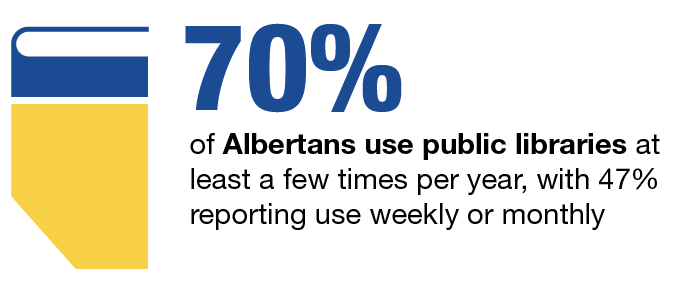
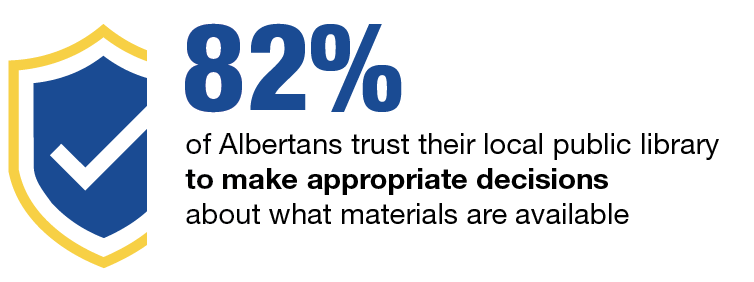
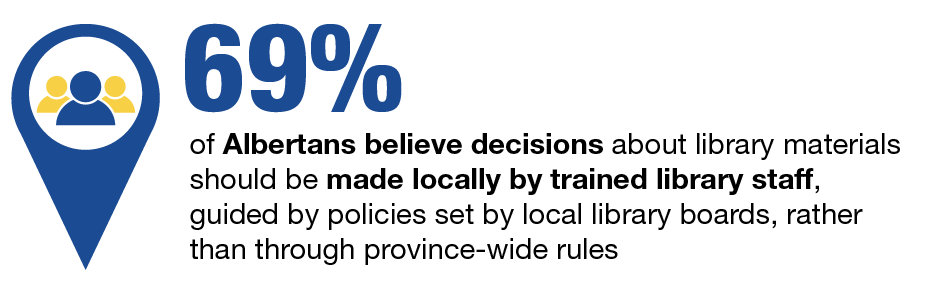
In January 2026, CAP Libraries commissioned research by Alberta pollster Janet Brown to better understand public views on library decision-making and the principle of intellectual freedom.
This research confirms that public libraries are among Alberta’s most trusted and widely used public institutions. Key findings include:
Enriching Communities Now and in the Future
Public libraries welcome feedback and are always looking for ways to enhance and strengthen our partnership with community members, including parents and caregivers. Our goal is to ensure that everyone feels heard, seen, and valued while continuing to uphold our mission: championing everyone’s right to read, watch, listen, and explore ideas without barriers.
As part of these efforts, CAP Libraries is eager to work collaboratively with the Government of Alberta to reaffirm parental authority and responsibilities, strengthen public understanding of how libraries operate, and ensure consistent policy frameworks across the province.
The following options have been offered to government as constructive, actionable pathways that respect community expectations while preserving the integrity of local decision-making and public library service.